


























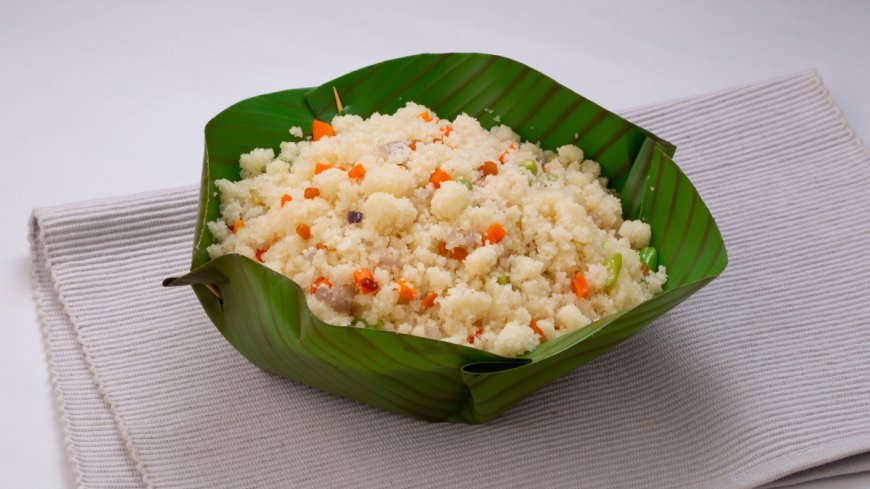
Ultimate Rava Upma Recipes – Classic, Veg & Spicy Variants
Learn how to make soft and flavorful Rava Upma in three ways — classic semolina, vegetable-loaded, and a spicy masala version. Perfect for breakfast or a light meal.
Prep Time
15 min
Cook Time
20 min
Serving
4
Difficulty
Easy
About This Recipe
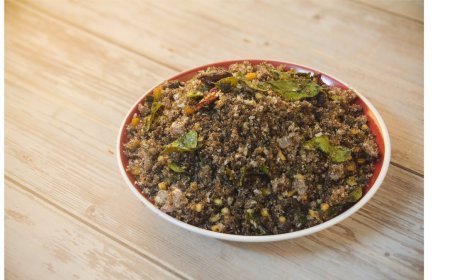
Rava Upma (also called Suji Upma) is a classic South Indian and Maharashtrian breakfast dish, made from semolina cooked into a soft, fluffy porridge.
It’s a versatile base that can be adapted in several ways — keep it simple (classic), load it with vegetables for a nutritious twist, or spice it up for a richer flavour.
Upma is quick to make, requires basic pantry ingredients, and is great for any time of day: breakfast, brunch or even a light dinner.
Ingredients
- Base (for all variants):
- 1 cup rava / semolina (suji)
- 2.5–3 cups water (depends on variant)
- Salt, to taste
- Tempering / Base Flavouring:
- 2–3 Tbsp oil or ghee
- 1 tsp mustard seeds
- ½ tsp cumin seeds
- 1 tsp urad dal and/or chana dal (optional)
- Curry leaves, a few (optional but adds aroma)
- 1–2 green chillies, chopped
- 1 small onion, finely chopped
- Ginger (finely chopped or grated), optional, for warmth
- Variant-Specific Ingredients:
- Classic Upma:
- A dash of lemon juice or a small spoon of curd (optional) for brightness.
- Fresh coriander, for garnish
- Vegetable Upma:
- Mixed vegetables (carrot, peas, beans, tomato) — adjust quantity as per your preference.
- A pinch of turmeric (optional, for colour)
- Spicy / Masala Upma:
- A pinch of red chili powder or extra green chillies for heat.
- (Optional) A dash of garam masala or “kharabath” masala for more flavour — as upma variation.
Nutritional Information
- Calories: 148 kcal
- Protein: 3.3 g
- Fat: 7.5 g
- Carbohydrates: 16.3 g
Directions
1. Roast the Rava
- Heat a pan on medium-low. Add rava (semolina) and dry roast until it becomes aromatic but doesn’t brown.
- Once roasted, remove and keep aside.
2. Prepare the Tempering
3. Add Vegetables (For the Vegetable Variant)
- Add your mixed vegetables to the tempering. Sauté for a few minutes until they are slightly soft.
4. Cook the Upma
- Pour the water into the pan and bring it to a boil.
- Add salt.
- Gradually add the roasted rava while stirring continuously to avoid lumps.
- Lower the heat, cover, and let the upma cook until the semolina absorbs the water (about 5–7 minutes).
5. Season and Finish
- For the classic version, once cooked, add a squeeze of lemon juice or a spoon of curd for flavor.
- For the spicy version, stir in red chili powder or garam masala if using.
- Turn off the heat, cover the pan, and let the upma rest for 2 minutes.
6. Garnish & Serve
- Fluff the upma gently with a fork so the grains separate.
- Garnish with fresh coriander (or coconut for a twist).
- Serve hot with coconut chutney, pickle, or just plain — as per taste.
7. Tips & Variations
- Water Ratio: Use ~2.5 to 3 cups water for 1 cup rava in vegetable upma.
- Prevent Lumps: Always add rava little by little into boiling water and stir continuously.
- Flavor Boost: Add cashews or peanuts for crunch and richer taste. (Many traditional upma recipes include nuts.)
- Make it Tangy: A little lemon juice or curd adds a fresh tang to the classic upma.
- Healthier Option: Use minimal oil or ghee and more vegetables for a balanced upma.
- Meal Prep: Leftover upma can be stored in the fridge for up to a day. Reheat with a splash of water to restore its soft texture.
What's Your Reaction?
 Like
0
Like
0
 Dislike
0
Dislike
0
 Love
0
Love
0
 Funny
0
Funny
0
 Angry
0
Angry
0
 Sad
0
Sad
0
 Wow
0
Wow
0